
Overview
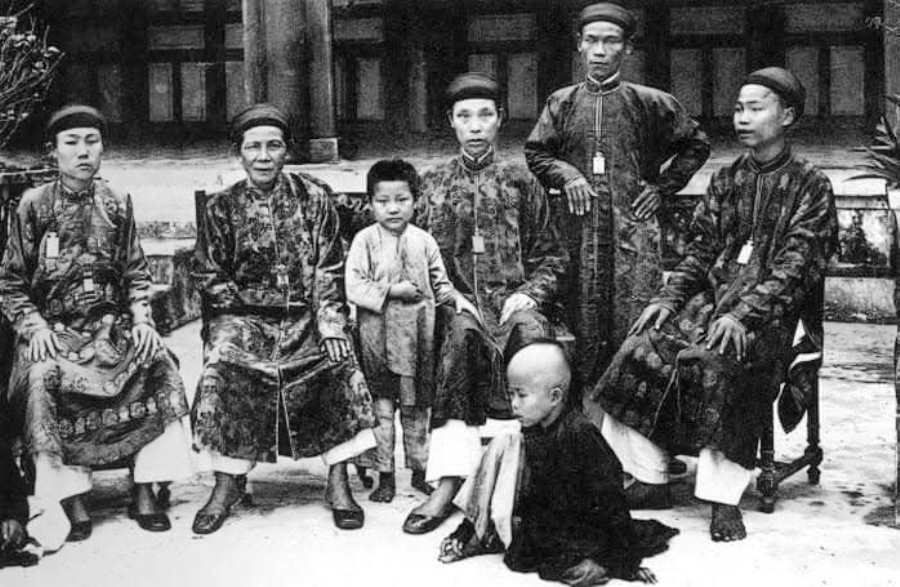
During the Nguyễn Dynasty (1802–1945), eunuchs were an important part of the royal court. They worked inside the imperial palace, especially in areas that were closed to ordinary officials. Eunuchs took care of daily palace life, served the emperor and the royal family, managed internal affairs, and helped maintain order in the inner court.
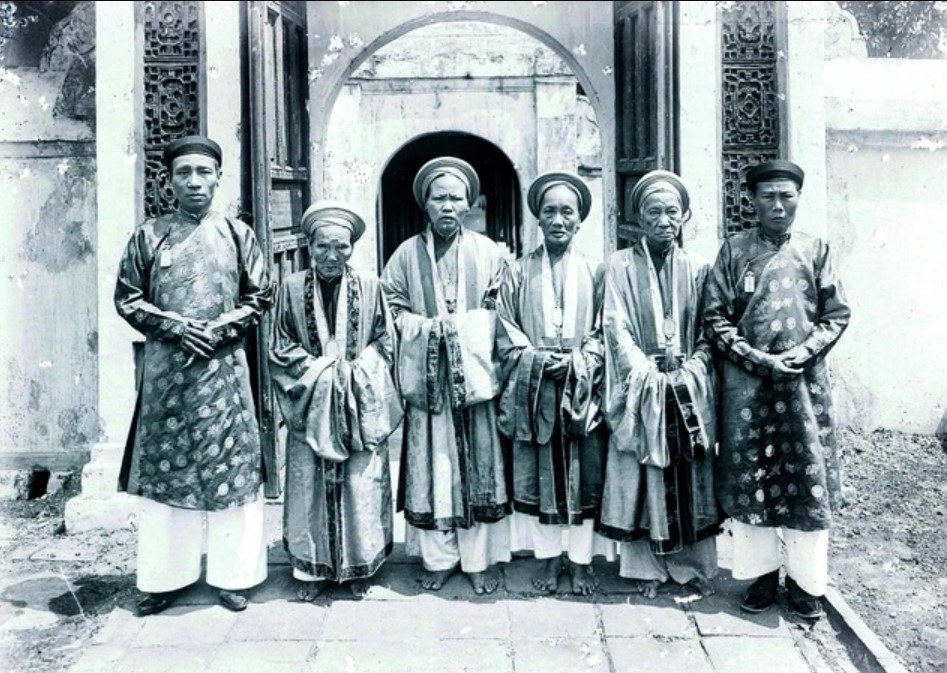
Although they were not many in number, they held sensitive positions because they worked very close to the emperor. Join Hue Top Tours to explore the Nguyễn Dynasty eunuchs and learn everything you need to know about their lives, duties, roles, and more in the royal court.
What Are Eunuchs?
Eunuchs were men who had been castrated so they could work safely inside the royal palace, especially in the Inner Court, where queens, concubines, and royal women lived.
Some eunuchs were castrated at a young age, while others accepted this condition in exchange for a stable life, food, and a position in the palace. Because eunuchs could not have children, the emperors trusted them more in matters related to the royal family and palace secrets.
How Many Kinds of Eunuchs Were There?
Eunuchs in the Nguyễn Dynasty were not all the same. They were divided by their duties:
-
Inner Court eunuchs: worked in the Inner Palace, serving queens, concubines, and royal women.
-
Administrative eunuchs: managed palace property, documents, food supplies, and internal communication.
-
Ceremonial and religious eunuchs: helped organize royal rituals, worship, and ceremonies.
-
Special-duty eunuchs: In rare cases, some were trusted with military or special administrative tasks.
-
Retired eunuchs: elderly eunuchs who left active service and lived quietly, often in temples.
Nguyen Dynasty Eunuch Ranks and Monthly Salary
During the Nguyễn Dynasty, Emperor Minh Mạng believed that eunuchs in earlier reigns had abused their power and interfered too much in state affairs. Therefore, in 1836, he issued an order stating that from then on, eunuchs were not allowed to hold high-ranking positions like senior court officials, and even if they served as officials, they could not hold a rank higher than the fourth grade.
This decree was carved on a stone stele and placed in front of the Imperial Academy (Quốc Tử Giám). By 1918, the stone stele was still standing next to the Temple of Literature (Văn Miếu).
The emperor also created separate titles and ranks specifically for eunuchs, with fixed monthly salaries, as follows:
| Rank | Title | Monthly Rice (bowl) | Monthly Money (coin) |
| First Rank | Senior Grade: Thủ đẳng Quảng Vụ and Điển sự Thái giám | 48 | 72 |
| Second Rank | Second Grade: Thứ đẳng Kiểm sự and Phụng nghi Thái giám | 36 | 60 |
| Third Rank | Middle Grade: Trung đẳng Thừa vụ and Điển thảng Thái giám | 36 | 48 |
| Fourth Rank | Lower-Middle Grade: Á đẳng Cung sự and Hộ thảng Thái giám | 24 | 36 |
| Fifth Rank | Lowest Grade: Hạ đẳng Cung phụng and Thừa biện Thái giám | 24 | 24 |
What Did Eunuchs Do in the Imperial Court of Hue?
Eunuchs performed many important daily tasks, including:
-
Managing the Inner Court and supervising palace servants
-
Serving the emperor and royal family in daily life
-
Delivering confidential messages within the palace
-
Preparing royal ceremonies and rituals
-
Taking care of royal belongings and palace storage
-
Assisting with the health care and personal needs of the emperor
Because they were always near the emperor, some eunuchs had a strong influence, even though they were not official ministers.
The Role of Eunuchs in the Nguyễn Dynasty History
Eunuchs helped maintain the smooth operation of the royal household. They supported the emperor by handling private matters and ensuring discipline in the Inner Court.
However, because of their close relationship with the emperor, some eunuchs gained power and influence. At certain times, this caused tension between eunuchs and court officials. The Nguyễn emperors tried to control this by setting strict rules and ranks.
Lê Văn Duyệt – A Famous Eunuch of the Nguyễn Dynasty
Lê Văn Duyệt (1763–1832) is one of the most famous figures connected to eunuchs in the Nguyễn Dynasty. When he was young, he served Nguyễn Phúc Ánh (later Emperor Gia Long) and is recorded in many sources as having been a eunuch.
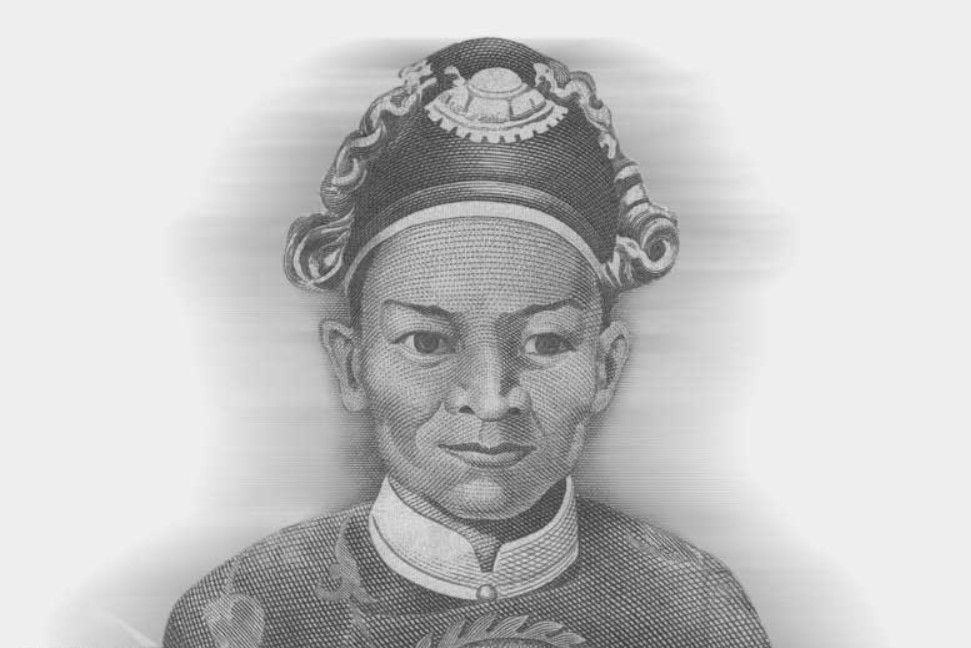
Later, Lê Văn Duyệt became a powerful military leader and was appointed Governor-General of Gia Định (southern Vietnam). He was known for his strong leadership, fairness, and ability to govern independently. His life shows that even someone with humble or unusual beginnings could rise to great power in the Nguyễn Dynasty.
Why Did the Nguyen Dynasty Emperors Need Eunuchs?
The emperors depended on eunuchs for several reasons:
-
Safety and trust – eunuchs could not give birth, so they could not form family power groups.
-
Inner Court management – only eunuchs could freely move inside the palace.
-
Confidential work – eunuchs handled private and sensitive matters.
-
Experience – many eunuchs served the palace for decades and became very skilled.
At the same time, emperors carefully limited their power to avoid corruption.
What Happened to Eunuchs When They Got Old?
When eunuchs became old or weak, they usually left palace service. Their later life included:
-
Receiving pensions or small support from the royal court
-
Living quietly in houses provided by the state
-
Becoming monks or living in Buddhist temples
-
Being buried in special areas connected to temples
Many chose a peaceful religious life after years of service.
Where Did Eunuchs Live in the Imperial City of Huế?
Eunuchs lived inside the Inner Palace (Forbidden Purple City) of Huế. They had their own living quarters close to the areas where they worked. These places were not open to the public and were strictly controlled.
Their housing depended on their rank and duties, but all were located within secure palace zones.
Tu Hieu Pagoda – The Eunuchs’ Burial Area
Từ Hiếu Pagoda, located outside the Imperial City of Hue, is closely connected to palace eunuchs. Many retired eunuchs spent their final years here, living quietly as lay Buddhists or monks.
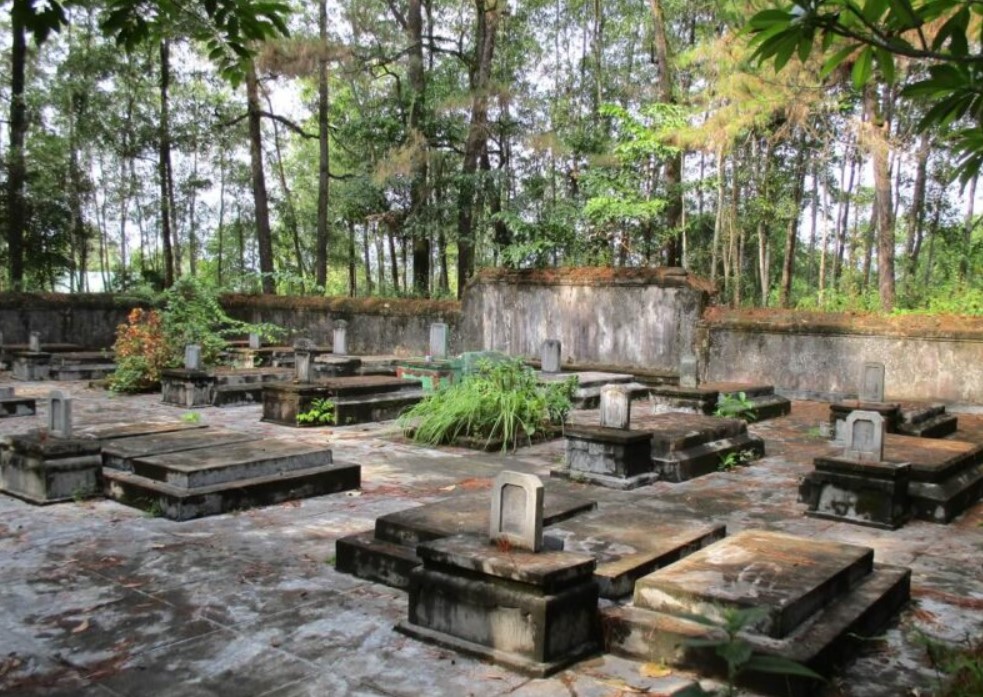
Some eunuchs were also buried in the surrounding area. Nowadays, Từ Hiếu Pagoda is not only a spiritual place but also an important historical site that reflects the hidden lives of those who once served the Nguyễn emperors.
Conclusion
Eunuchs of the Nguyen Dynasty played an important but often misunderstood role in Vietnamese history. They were trusted servants of the emperor, managers of palace life, and sometimes powerful individuals.
Figures like Lê Văn Duyệt show that eunuchs could leave a strong mark on history. Sites such as Từ Hiếu Pagoda help us remember these men and better understand life inside the imperial court of Hue.