
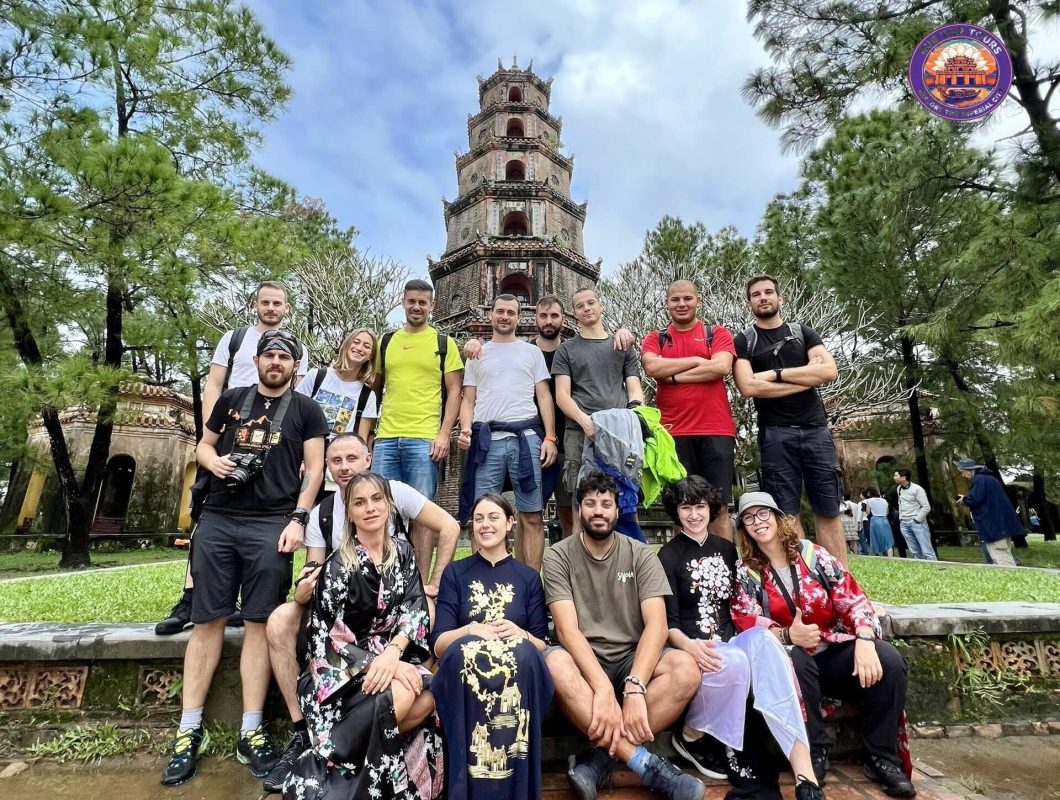
Overview
Thien Mu Pagoda is one of the most sacred and iconic religious sites in Hue, Vietnam. Located peacefully on the banks of the Perfume River, this centuries-old pagoda is not only a popular tourist attraction but also an active Buddhist site where monks live, study, and practice daily rituals. Because of its spiritual importance, visitors are expected to dress respectfully. Understanding the Thien Mu Pagoda dress code will help you avoid embarrassment, show cultural respect, and enjoy a meaningful visit.
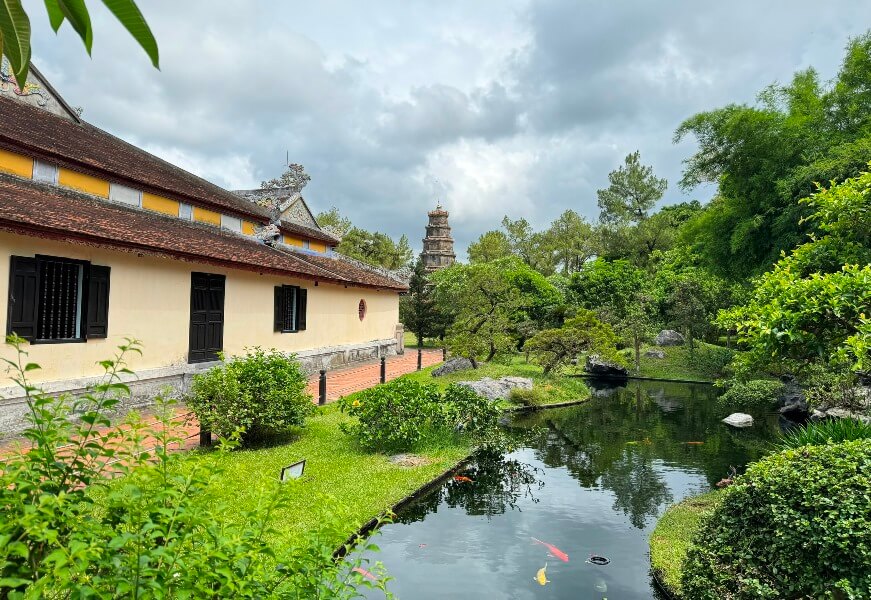
This travel guide from Hue Top Tour will explain everything you need to pay attention to before entering Thien Mu Pagoda.
Why Dress Code Matters at Thien Mu Pagoda
In Vietnam, pagodas and temples are considered sacred spaces. Clothing reflects attitude and respect toward religious beliefs and local culture. Wearing inappropriate outfits may not only attract unwanted attention but also prevent you from entering certain areas of the pagoda.
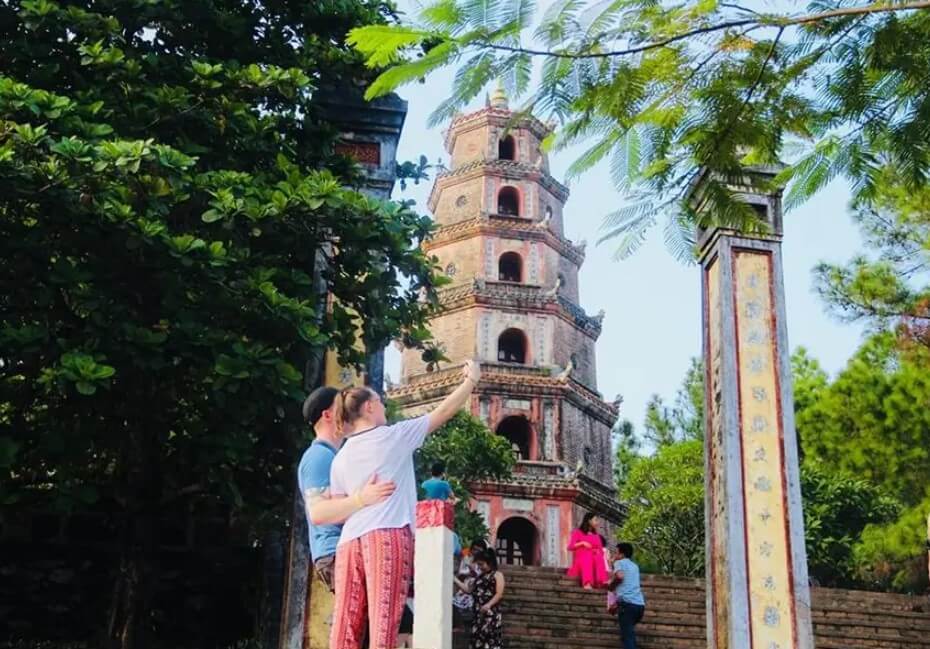
At Thien Mu Pagoda, the dress code is not overly strict, but modest, conservative clothing is strongly expected, especially when entering worship areas, courtyards near altars, and monk living quarters.
General Dress Code Rules at Thien Mu Pagoda
When visiting Thien Mu Pagoda, keep these basic principles in mind:
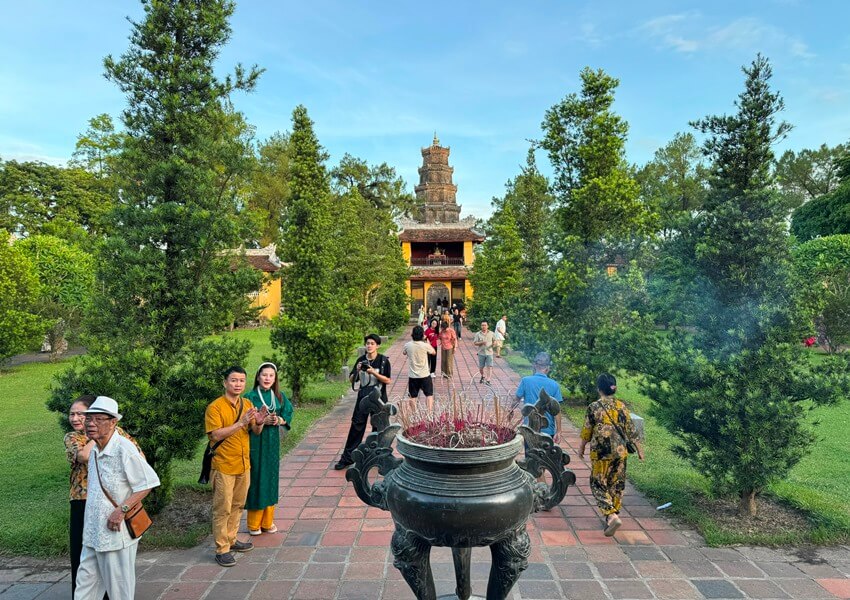
- Dress modestly and neatly
- Cover shoulders and knees
- Avoid tight, transparent, or revealing clothing
- Choose calm, respectful styles rather than flashy fashion
These rules apply to both men and women.
What to Wear: Recommended Clothing
For Women
Women should choose outfits that are simple, comfortable, and respectful:
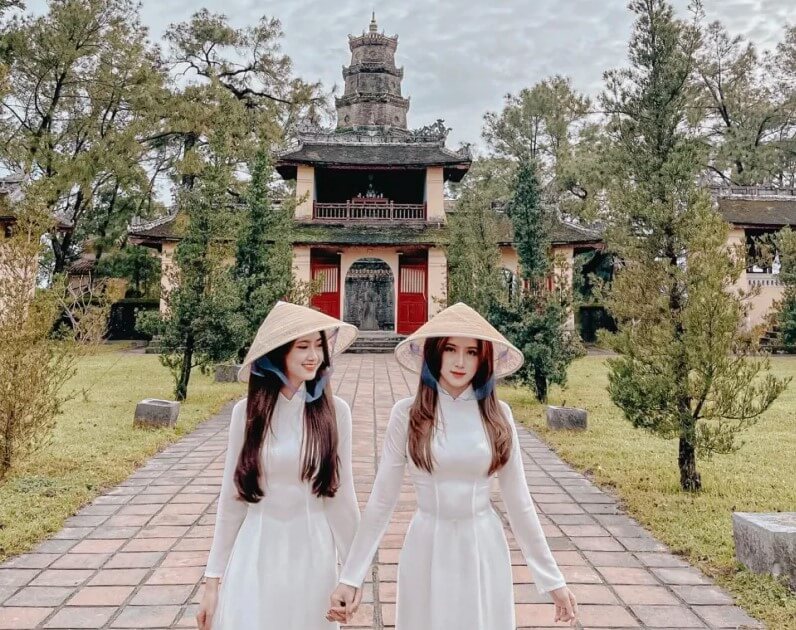
- T-shirts or blouses with sleeves (short sleeves are fine)
- Shirts that fully cover the chest and shoulders
- Long pants, loose trousers, or skirts below the knee
- Maxi dresses with sleeves or modest necklines
Lightweight fabrics such as cotton or linen are ideal, especially in Hue’s warm and humid climate.
For Men
Men are also expected to dress respectfully:
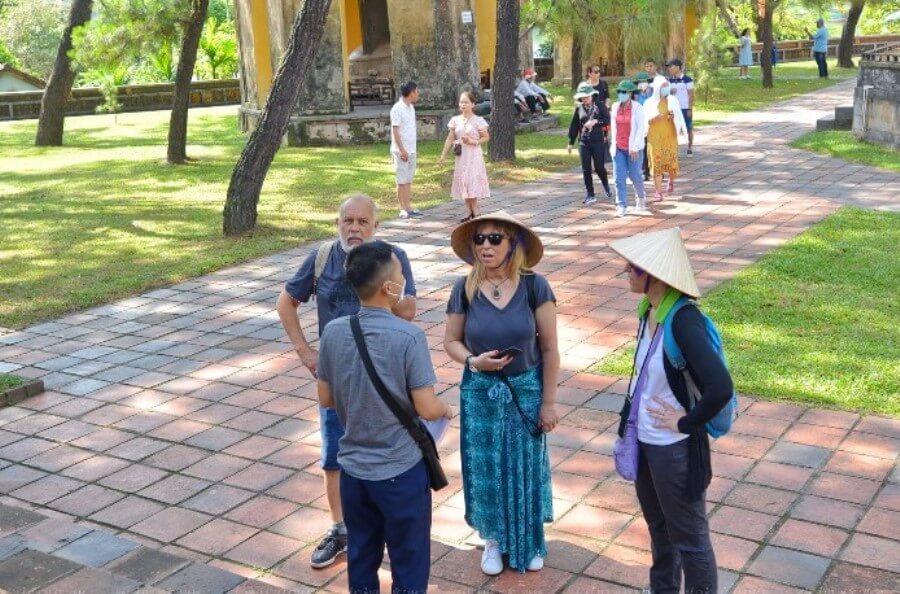
- T-shirts or polo shirts with sleeves
- Shirts that cover the chest (no deep V-necks)
- Long pants or trousers
- Clean, neat appearance
Although the rules for men are often less strictly enforced, wearing appropriate clothing shows courtesy and cultural awareness.
What NOT to Wear at Thien Mu Pagoda
To avoid any issues, visitors should not wear:
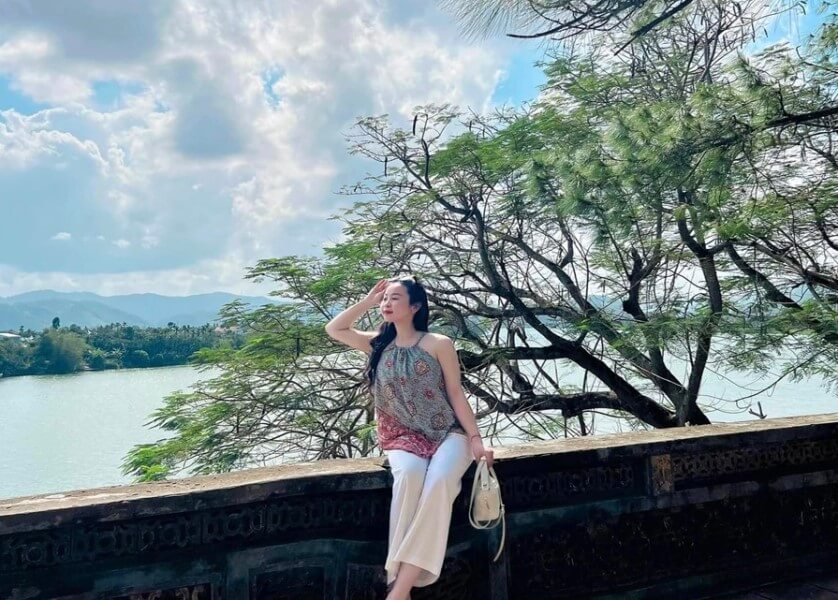
- Shorts above the knee
- Tank tops or sleeveless shirts
- Crop tops or low-cut tops
- Miniskirts or short dresses
- See-through or tight-fitting clothes
- Clothing with offensive images or slogans
If your outfit is considered inappropriate, you may be asked to cover up or stay outside certain areas.
Footwear Rules: Shoes and Sandals
There is no strict footwear requirement at Thien Mu Pagoda, but practicality and respect are important:
- Comfortable sandals, flats, or sneakers are recommended
- Avoid high heels, as paths can be uneven
- In some areas, you may be asked to remove your shoes, especially near worship spaces
Wearing footwear that is easy to remove is a smart choice. Some places at Thien Mu Pagoda, especially when it rains, are slippery, so please watch your steps.
Accessories and Personal Appearance
Besides clothing, visitors should also pay attention to the overall appearance when visiting Thien Mu Pagoda
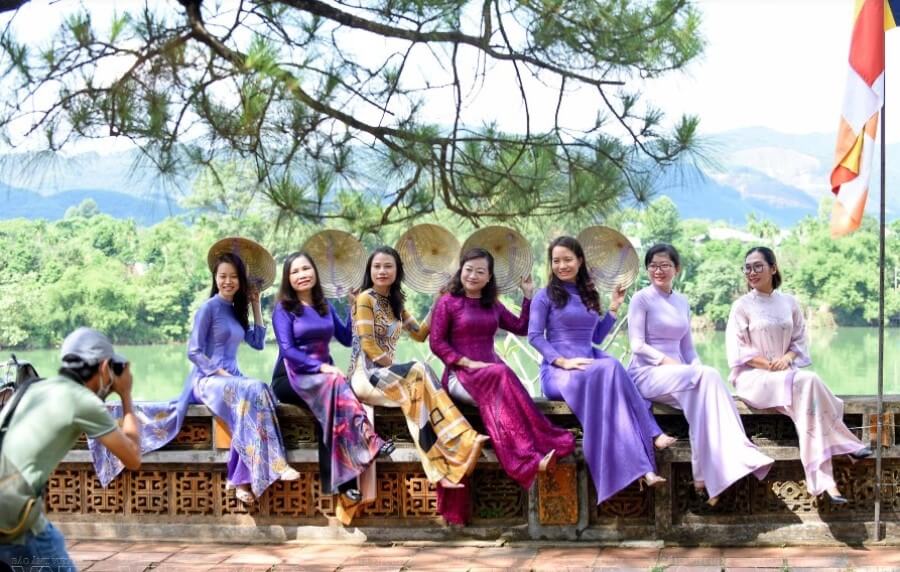
- Hats and caps should be removed when entering prayer areas (Dai Hung Shrine)
- Sunglasses should be taken off near altars
- Avoid excessive jewelry or flashy accessories
- Keep makeup natural and simple
A calm, respectful appearance matches the peaceful atmosphere of the pagoda.
What If You Are Not Properly Dressed?
If you arrive at Thien Mu Pagoda wearing clothes that do not meet the dress code:
- You may be asked politely to cover up
- In some cases, you might not be allowed to enter certain buildings
- Unlike some major temples, scarves or cover-ups are not always provided, so it is best to prepare in advance
A simple scarf or light jacket in your bag can be very useful.
Dress Code Tips for Tourists
Here are some practical tips to help tourists prepare:
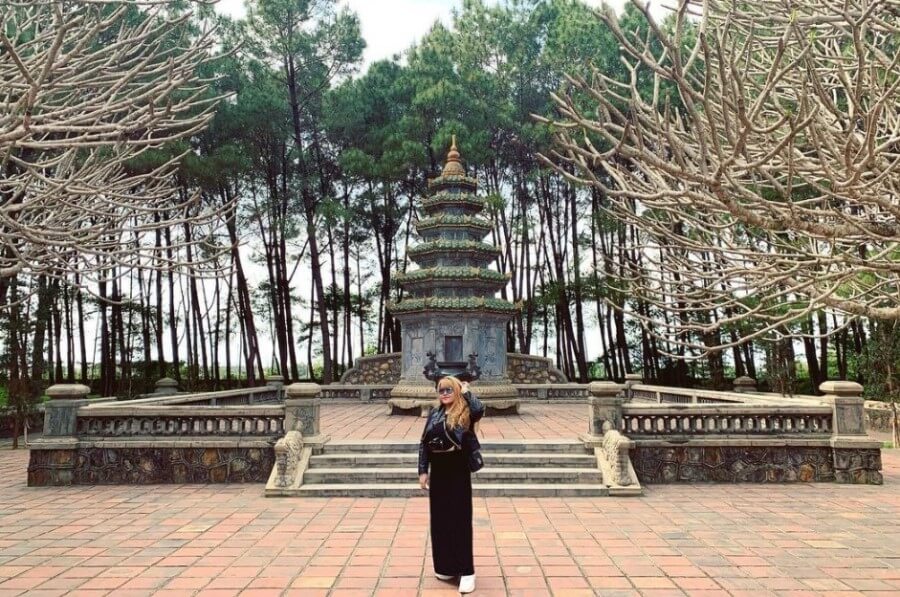
- Plan your outfit before leaving your hotel
- Carry a scarf, shawl, or light jacket
- Dress modestly if you are combining the visit with other religious sites
- Remember that respectful clothing leads to warmer local interactions
Many visitors say dressing appropriately enhances the spiritual and cultural experience.
Cultural Etiquette Beyond Dress Code
While clothing is important, respectful behavior matters just as much:
- Speak softly and avoid loud conversations
- Do not touch statues or religious objects
- Ask permission before photographing monks
- Walk calmly and follow posted signs
Combining proper dress with polite behavior shows true respect for local traditions.
Best Time to Visit Thien Mu Pagoda and Dress Comfortably
Hue can be hot, especially from May to September, so when visiting Thien Mu Pagoda, you should choose:
- Breathable, loose-fitting clothing
- Light colors that reflect heat
- Sun protection that still follows modest guidelines
In cooler months or rainy seasons, a light jacket or raincoat is helpful and still acceptable.
Final Thoughts
Understanding the Thien Mu Pagoda dress code is an important part of planning your visit. By dressing modestly and respectfully, you honor the spiritual significance of the pagoda, avoid unnecessary inconvenience, and enjoy a more meaningful cultural experience.
Thien Mu Pagoda is not just a famous attraction; it is a living religious site and a symbol of Hue’s spiritual heritage. Paying attention to what you wear is a small but meaningful way to show respect and connect more deeply with this historic place.