
Overview
Why is it called the Perfume River? Discover the history, stories, and meaning behind Hue’s famous river in this informative article by Hue Top Tours.
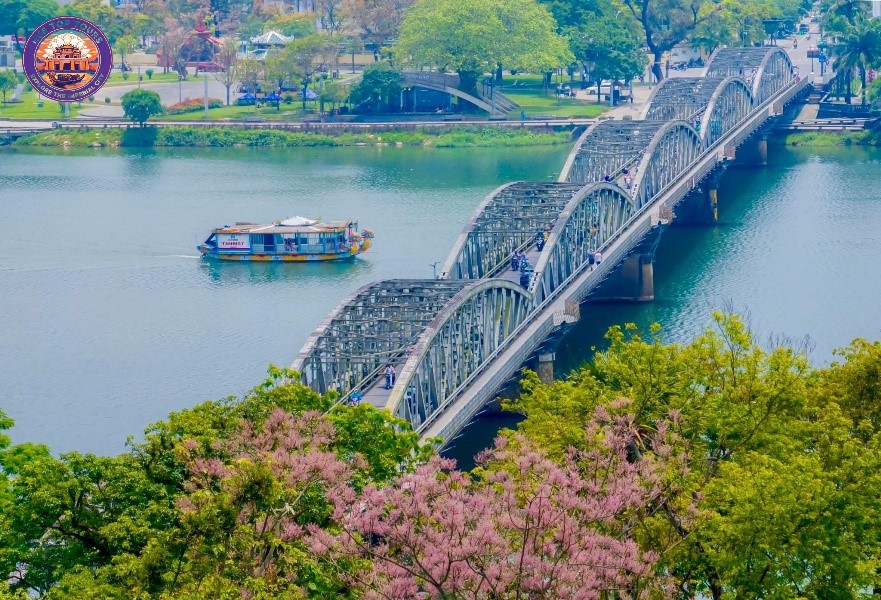
The Perfume River (Vietnamese: Sông Hương or Hương Giang) is the most famous river in Hue and one of the most beautiful rivers in Vietnam. It flows gently through the ancient capital, connecting nature, history, culture, and daily life. Many visitors wonder why it has such a poetic name. The answer comes from old stories, nature, and traditional village life that have shaped Hue for centuries.
Additionally, tourists who want to enjoy a dragon boat ride on the Perfume River or join tours that include boat trips can consider the following options:
- Cooking Class At Thuy Bieu Village Tour – 52 USD/pax
- Hue City Private Tour 1 Day – 55 USD/pax
- Perfume River Sunset Cruise With Dinner – 54 USD/pax
Why Is It Called the Perfume River?
The Story of Thach Xuong Bo Flower
One popular explanation comes from nature. In the past, during autumn, many Thach Xuong Bo flowers bloomed in the forests upstream of the river. When the rain came, the petals fell into small streams and flowed down to the river.
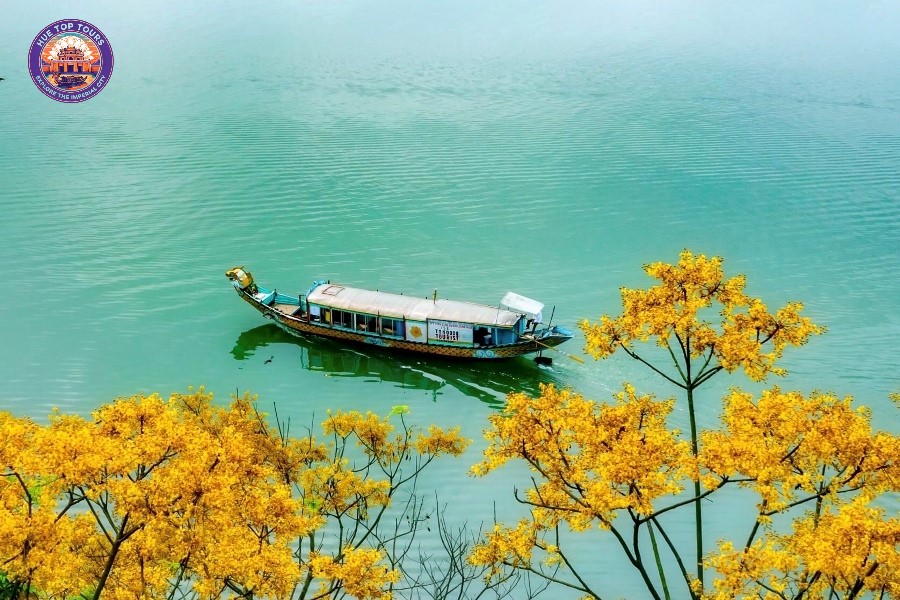
As the flowers drifted along the water, they released a soft and pleasant fragrance. When the river passed through Hue, the air above the water smelled gentle and sweet, like natural perfume. Local people then began calling it “Huong River”, which means Perfume River. This story reflects the close connection between Hue’s natural landscape and its poetic soul.
The Second Story from Thuy Xuan Incense Village
Another well-known explanation comes from Thuy Xuan Incense Village, a traditional craft village on the Perfume River bank. For hundreds of years, villagers here have made incense using natural ingredients such as jasmine, sandalwood, lemongrass, cinnamon, herbs, and flowers.
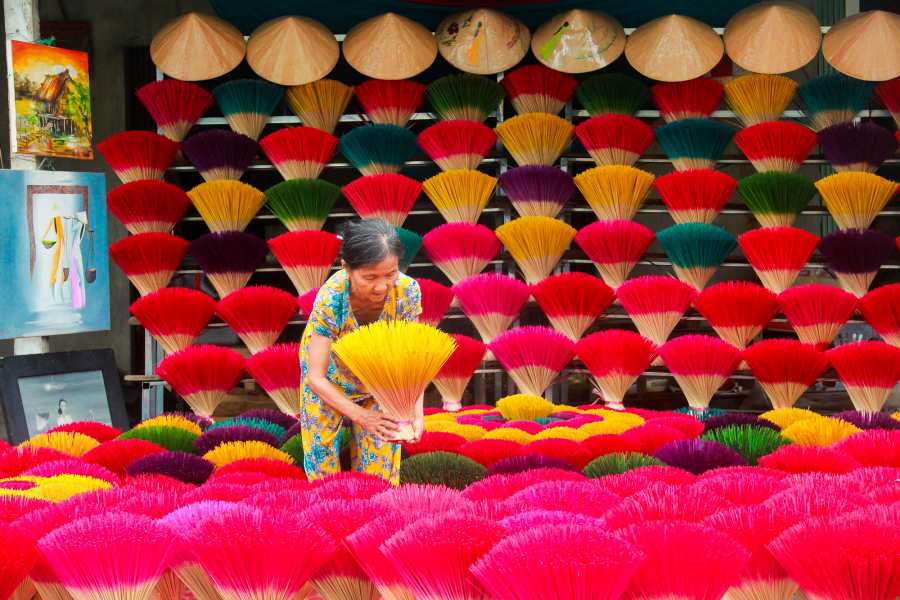
In the past, incense was transported by boat along the river to the Imperial Citadel and nearby pagodas. As boats moved on the water, the scent of incense spread gently through the air. Over time, the river became closely associated with this sweet fragrance, strengthening the name Perfume River in local memory and tradition.
Perfume River Sources
The Perfume River has two main branches that start in the Truong Son mountain range and meet at Bang Lang Fork. The Ta Trach branch rises from the Truong Dong Mountains and flows northwest to join the other stream. From there, the river flows from south to north, passing Hon Chen and Ngoc Tran temples, Thien Mu Pagoda then gently curves through the Nguyet Bieu and Luong Quan plains.
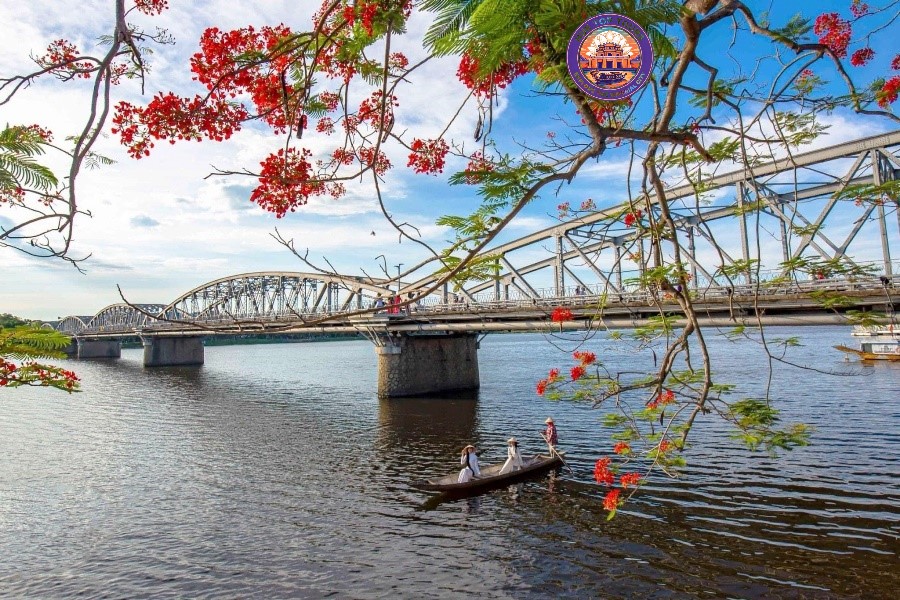
As it continues, the river turns northeast toward Hue, flowing past the royal tombs of the Nguyen emperors. The Perfume River then passes Hen Islet and many riverside villages, crosses the Sinh junction, once the center of ancient Chau Hoa and finally empties into the Tam Giang Lagoon. The river is about 80 kilometers long and plays a vital role in the geography and life of the region.
Why Is the Perfume River So Famous?
The Perfume River is famous not only for its beauty but also for its cultural and historical value. It appears in poems, songs, paintings, and royal records. The river flows slowly and peacefully, matching the calm and elegant character of Hue.
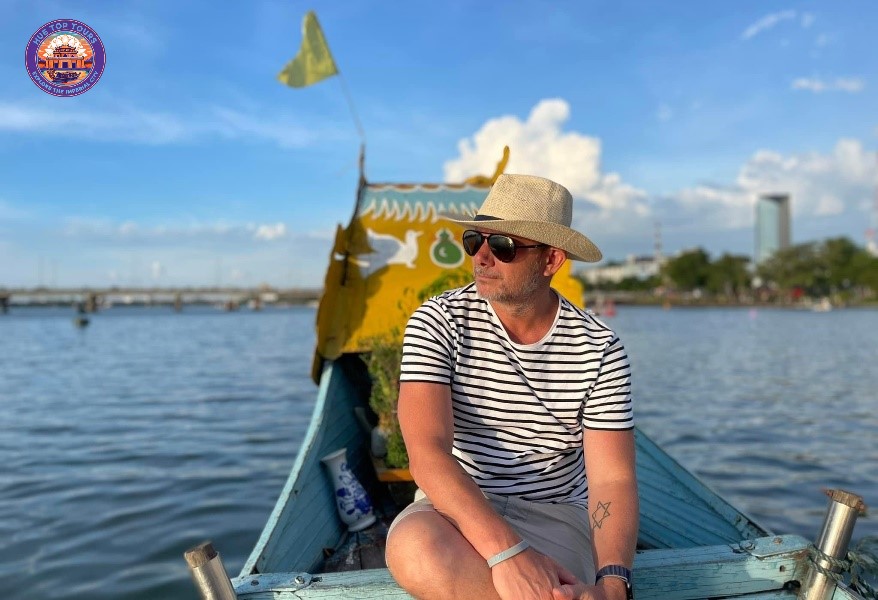
For many people, the Perfume River is a symbol of romance, nostalgia, and the gentle lifestyle of the ancient capital.
Perfume River Role in Hue Imperial Citadel Feng Shui
According to Oriental feng shui, rivers bring life energy, prosperity, and balance. The Nguyen Dynasty carefully chose the location of the Hue Imperial Citadel with the Perfume River in front and mountains behind.
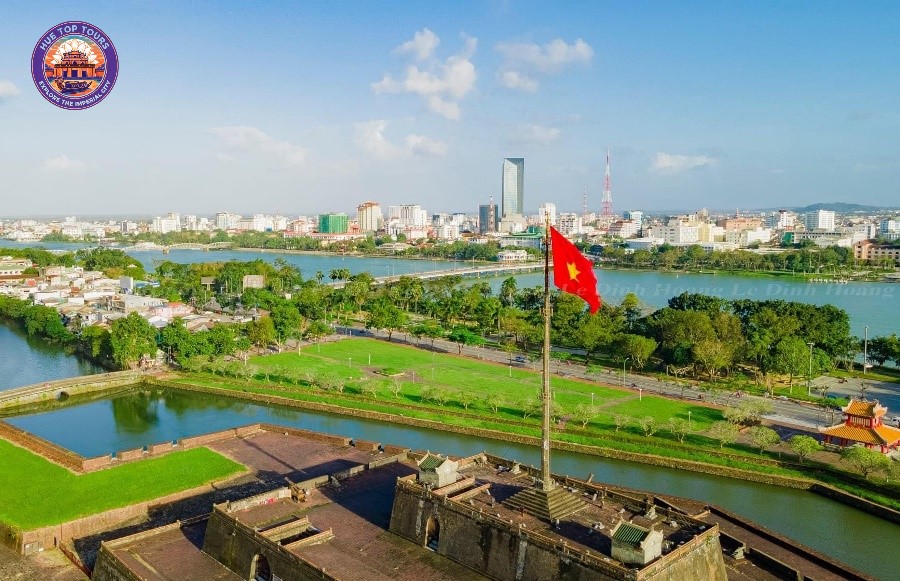
The river is believed to act as a protective and nourishing element, helping maintain harmony between heaven, earth, and people. Its gentle curve in front of the Citadel is considered ideal feng shui, bringing peace, stability, and long-lasting prosperity to the royal capital.
The Role of the Perfume River in Hue Tourism
Nowadays, the Perfume River is at the heart of Hue tourism. It connects many famous attractions such as Thien Mu Pagoda, Hue royal tombs, and traditional villages. Dragon Boat trips on the river are one of the most popular activities for visitors.
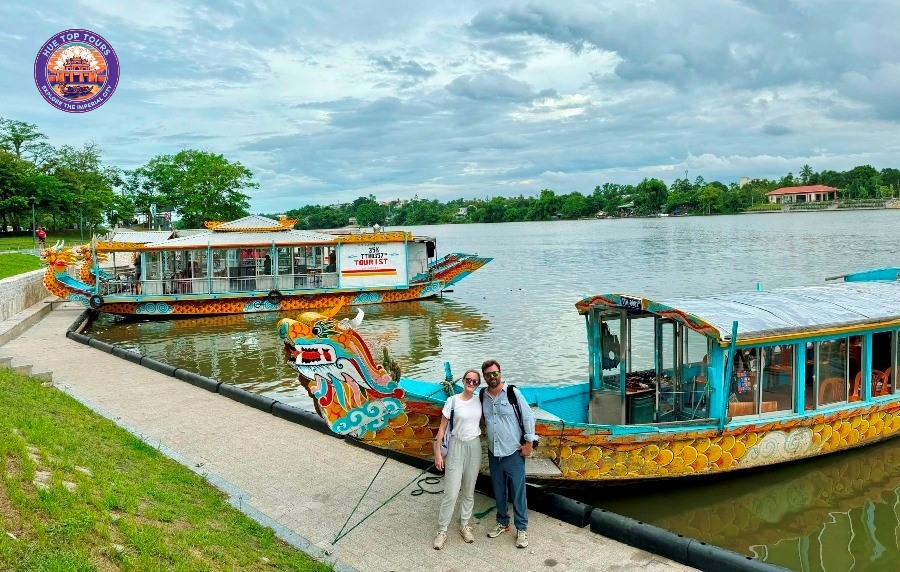
At night, dragon boats offer traditional music performances, creating a magical and relaxing atmosphere. The river also hosts festivals, cultural events, and photography activities throughout the year.
Tour recommended: Perfume River Sunset Cruise with dinner.
How to Admire the Perfume River
There are many beautiful ways to enjoy the Perfume River:
- Take a dragon boat cruise, especially at sunset or in the evening
- Walk along the riverbanks or cross Truong Tien Bridge
- Enjoy coffee at riverside cafés
- Join a cycling or city tour that follows the river route
- Visit pagodas and royal sites located along the river
Each season offers a different charm, from misty mornings to golden sunsets.
Conclusion
The Perfume River is more than just a river; it is the soul of Hue. Its name comes from nature, traditional crafts, and the deep cultural life of the region. Through history, feng shui, tourism, and daily life, the Perfume River continues to flow quietly, carrying stories, memories, and timeless beauty. Anyone who visits Hue will always remember the gentle charm of this poetic river.