

Introduction
Many travelers arrive in Hue expecting grand imperial history. What they often remember most is the atmosphere. Morning mist over the Perfume River, quiet courtyards inside the Imperial City, and the soft sound of temple bells drifting across the old capital. Choosing when is the best time to visit Hue can make these moments even more memorable.
Hue’s weather changes noticeably throughout the year. Some months bring gentle sunshine that is perfect for exploring royal tombs and riverside pagodas. Others arrive with dramatic rain that gives the city a poetic mood. Understanding the seasons helps travelers decide the best time to visit Hue Vietnam and plan a trip that matches their own travel style.

Quick Answer: When Is The Best Time To Visit Hue?
Many travelers want a quick answer before diving into details. In general, the best time to visit Hue is between February and April. During these months, the weather is warm but not overly hot, rainfall is relatively low, and skies are often clear. These conditions make exploring the Imperial City, royal tombs, and nearby countryside comfortable and enjoyable.
Spring temperatures usually range between 20°C and 28°C. The atmosphere feels fresh after the cooler winter months, and flowers begin to bloom across gardens and temples. This period also offers good conditions for boat trips along the Perfume River and for cycling to nearby villages.
A simple seasonal overview helps travelers plan quickly:
| Season | Months | Travel Experience |
| Spring | Feb–Apr | Mild weather, best sightseeing |
| Summer | May–Aug | Hot and humid, beaches are appealing |
| Autumn | Sep–Nov | Rainy season, dramatic scenery |
| Winter | Dec–Jan | Cool, quieter travel period |
Different seasons suit different travelers. Culture lovers often choose spring for festivals and comfortable sightseeing. Beach lovers might prefer summer when nearby coastal areas like Lang Co are lively. Budget travelers sometimes visit during the rainy months when accommodation prices can be lower.
Want to explore Hue most profoundly? Hand your trip to the local professionals at Hue Top Tours. We have interesting Hue tours and Hue private cars, such as:
- Hue Cycling Tour To Thanh Toan Bridge – 32 USD/pax
- Hue City Tour For Muslim – contact for price
- Bach Ma National Park Tour From Hue – 50 USD/pax
- Hue To Da Nang By Private Car – 60 USD/sedan
- Hue To Nha Trang Private Car – 344 USD/sedan
Go Deeper: Understanding Hue’s Climate
Weather plays an important role in shaping travel experiences in Hue. The former imperial capital sits between mountains and the sea in central Vietnam. This position gives it a distinctive climate compared with many other destinations in the country.

Understanding how Hue’s weather patterns work helps travelers plan more comfortably and decide the best time to visit Hue Vietnam. The following sections explain the climate characteristics and how they influence travel throughout the year.
Hue’s Tropical Monsoon Climate
Hue lies within Vietnam’s tropical monsoon climate zone. This means the city experiences distinct wet and dry periods influenced by regional wind systems and seasonal weather changes.
Temperatures remain relatively warm throughout the year. Average daytime temperatures usually range from about 20°C in winter to around 35°C during peak summer. Humidity often stays high, which can make summer days feel hotter than the thermometer suggests.

Rainfall patterns are the most notable feature of Hue’s climate. Unlike northern cities, where rain is spread across the year, Hue receives most of its rainfall in autumn. September, October, and November are often the wettest months. Heavy rainstorms can last for several days and sometimes cause flooding along the Perfume River.
Seasonal transitions also shape travel experiences. February and March often bring soft sunshine and comfortable temperatures. Late spring becomes warmer but still pleasant. By June and July the heat intensifies. Autumn arrives with dramatic skies and persistent rainfall.
Why Hue Has More Rain Than Other Cities in Vietnam?
Many visitors notice that Hue receives more rainfall than nearby destinations such as Da Nang, Hoi An, or Nha Trang. This difference is mainly caused by geography and regional weather systems.
First, Hue sits near the Hai Van mountain range, which acts as a natural barrier between northern and southern weather patterns. Moist air from the sea moves inland and rises over the mountains. As the air cools, it releases rainfall over the Hue area. The city’s proximity to the coast also contributes to frequent rain during certain months. Moist ocean winds carry heavy clouds toward the land, especially during the monsoon season.

Another factor is Hue’s location along central Vietnam’s storm path. Tropical storms and typhoons occasionally pass through the region between September and November. These weather systems can bring intense rainfall and strong winds.
Because of these geographic conditions, travelers researching when is the best time to visit Hue Vietnam often find that spring offers the most balanced weather.
How Weather Affects Travel Experiences?
Weather in Hue does more than influence comfort. It shapes the entire travel experience. Sunny days reveal the warm yellow walls of the Imperial City, peaceful riverside temples, and the surrounding countryside.
- In spring, mild temperatures allow visitors to explore historical sites for hours without exhaustion. Walking through palace courtyards, climbing pagoda steps, or cycling between tomb complexes becomes enjoyable rather than tiring.
- During summer, heat and humidity increase. Many travelers still enjoy Hue by planning activities early in the morning or later in the afternoon. Midday breaks in cafes or shaded gardens become part of the rhythm of travel.
- Rainy autumn days create a different atmosphere. Mist drifting over the Perfume River and quiet streets around ancient pagodas can feel poetic and reflective. However, heavy rain may interrupt outdoor sightseeing.
- Winter offers cooler air and fewer tourists. This quieter season allows visitors to appreciate Hue’s cultural heritage at a slower pace.
You should know about this weather influence to choose the best time to visit Hue Vietnam based on your preferred style of exploration.

Hue Weather By Season: When To Do What
Hue experiences four recognizable travel seasons. Each one offers different advantages depending on weather conditions and traveler expectations. Choosing the best time to visit Hue depends on what you want to prioritize. Some travelers value comfortable weather for walking tours. Others prefer cultural events, photography opportunities, or fewer tourists.
Understanding each season allows visitors to plan more thoughtfully. Below is a closer look at Hue’s seasonal travel experiences.
Spring: The Best Time To Visit Hue
Spring is widely considered the best time to visit Hue Vietnam. From February to April, temperatures typically range from 20°C to 28°C. This creates a comfortable climate for exploring the former imperial capital.

Rainfall gradually decreases after winter. And the air often feels fresh and pleasant. Gardens and temple grounds become greener as flowers bloom across the city. Because the weather is not too hot and the skies are often clear, many travelers consider this period the best time of year to visit Hue for sightseeing and cultural exploration.
Activities to enjoy during spring:
- Hue Imperial City – Walk through palace courtyards and ancient gates while the mild weather allows relaxed sightseeing.
- Thien Mu Pagoda and Perfume River – Take a riverboat ride and enjoy peaceful views of Hue’s iconic pagoda rising above the water.
- Minh Mang and Khai Dinh Royal Tombs – Explore elaborate imperial architecture surrounded by gardens and forested hills.
- Dong Ba Market – Discover Hue’s local food culture and taste specialties such as bun bo Hue or banh khoai.
- Tet celebrations in Hue – Experience colorful decorations, traditional foods, and festive cultural activities if visiting during the Lunar New Year.
For travelers who enjoy walking tours, photography, and cultural landmarks, spring offers the most balanced conditions. The gentle weather and lively atmosphere make it easy to see why many travelers choose this season as the best time to visit Hue.
Summer: Hot But Great For Beaches
Summer in Hue arrives between May and August with strong sunshine and rising humidity. Daytime temperatures often climb above 33°C, especially in June and July. Although the heat can feel intense during midday, rainfall is still relatively limited compared with the later months of the year.

Many visitors adjust their schedule by exploring in the early morning and relaxing during the afternoon. For travelers who enjoy coastal scenery, summer is still a rewarding period and can even be the Hue Vietnam best time to visit if beach trips are part of the plan.
Activities to enjoy during summer:
- Lang Co Beach – Spend the day swimming or relaxing on one of central Vietnam’s most beautiful beaches.
- Thuan An Beach – Enjoy seafood restaurants and sea breezes just a short drive from Hue’s city center.
- Tam Giang Lagoon/Chuon Lagoon – Watch sunset over the vast lagoon while fishermen return with their daily catch.
- Hue Night Markets or walking streets – Explore lively evening markets, street food stalls, and riverside cafes after the heat fades.
- Perfume River boat cruise – Take an evening cruise when the weather becomes cooler and the city lights reflect on the water.
Summer requires a slower pace, but it also reveals a vibrant side of Hue’s daily life. Travelers who enjoy warm weather, coastal excursions, and energetic evening scenes may still find this season an enjoyable time to visit.
Autumn: Rainy But Atmospheric
Autumn marks the beginning of Hue’s rainy season, usually lasting from September through November. Rainfall increases noticeably, and October often records the heaviest showers of the year. Temperatures remain warm at around 24°C to 30°C, though cloudy skies and passing storms become common.
While this period may not immediately sound like the best time to visit Hue, it offers a quieter and more reflective atmosphere that some travelers genuinely appreciate.
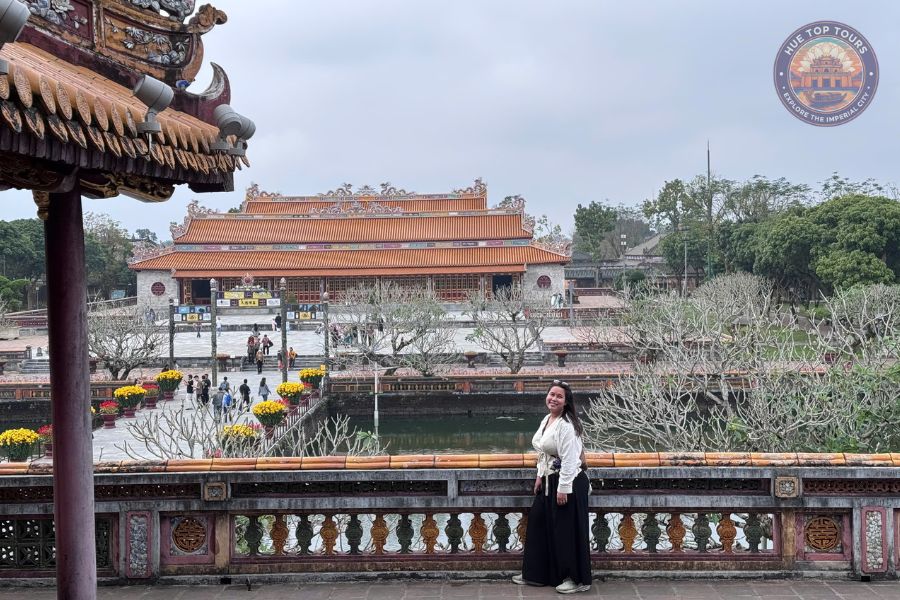
Activities to enjoy during autumn:
- Royal Antiquities Museum – Discover artifacts from Vietnam’s imperial era inside a historic palace building.
- An Hien Garden House – Visit Hue traditional garden houses in Kim Long Village, elegant heritage homes surrounded by lush greenery.
- Local tea houses and cafes – Relax with Vietnamese coffee while watching the rain fall over the Perfume River.
- Thanh Toan Tile Bridge – Photograph the historic wooden bridge in the countryside when the misty weather creates a poetic scene.
- Hue cooking class at Thuy Bieu Village – Learn how to prepare royal dishes such as banh beo and nem lui during indoor cultural experiences.
Autumn travel in Hue feels slower and more contemplative. While heavy rain may interrupt outdoor plans, it also reveals a softer and more atmospheric side of the old imperial city.
Winter: Cool and Quiet
Winter in Hue spans December and January and brings noticeably cooler temperatures compared with the rest of the year. Daytime temperatures often range between 18°C and 24°C, making the air feel refreshing after the humid summer months.
Light rain or cloudy skies may appear occasionally, but the cooler climate creates comfortable conditions for walking around the city. For travelers seeking a peaceful atmosphere, this quieter season can still feel like the best time of year to visit Hue.

Activities to enjoy during winter:
- Hue Imperial City early morning walk – Explore palace grounds when the air is cool and visitor numbers remain low.
- Thien Mu Pagoda at sunrise – Experience a calm spiritual atmosphere as mist rises over the Perfume River.
- Royal tomb exploration by bicycle – Cycle through quiet countryside roads connecting several historic tomb complexes.
- Dong Ba Market food tour – Warm up with traditional dishes such as bun bo Hue and banh canh.
- Perfume River riverside stroll – Enjoy peaceful views and slower city life along the riverbanks.
Winter offers a relaxed travel experience without heavy crowds. Visitors who prefer cooler temperatures and a slower pace may find this calm season surprisingly rewarding.
Month By Month Guide To Visiting Hue
Understanding monthly weather conditions can help travelers choose the best time to visit Hue based on specific travel goals. The table below summarizes Hue’s travel conditions across the year.
| Month | Weather | Travel Experience | Recommended Activity | Tips |
| Jan | Cool and cloudy | Quiet sightseeing | Explore Hue Imperial City and pagodas | Bring a light jacket for cool mornings |
| Feb | Mild and dry | Excellent travel conditions | Walk along Perfume River and visit royal tombs | Book early if visiting during Tet |
| Mar | Warm and sunny | Ideal for outdoor exploration | Cycle between Minh Mang and Khai Dinh Tombs | Wear sunscreen during midday |
| Apr | Pleasant and vibrant | One of the best months | Boat ride on Perfume River and temple visits | Great month for photography |
| May | Hot and sunny | Early summer travel | Visit Lang Co Beach or Thuan An Beach | Start sightseeing early in the day |
| Jun | Very hot | Beaches and early sightseeing | Relax at coastal beaches near Hue | Stay hydrated and avoid midday sun |
| Jul | Hot and humid | Evening activities | Explore Hue Night Walking Street | Plan indoor breaks during daytime |
| Aug | Hot with occasional rain | Mixed conditions | Sunset trip to Tam Giang Lagoon | Carry a small umbrella |
| Sep | Rain increases | Fewer tourists | Visit museums and local markets | Keep travel plans flexible |
| Oct | Very rainy | Limited outdoor travel | Enjoy Hue cuisine and cafe culture | Waterproof shoes are helpful |
| Nov | Rainy and cool | Quiet atmosphere | Explore garden houses in Kim Long Village | Bring rain gear |
| Dec | Cool with light rain | Calm cultural visits | Morning walk around Thien Mu Pagoda | Pack a light sweater |
Each month offers different advantages and disadvantages. Consider them carefully to choose the best month for your travel preferences, or prepare if you’ve already decided on your plan.
Worst Time To Visit Hue Vietnam
The least favorable period to visit Hue usually falls between September and November, when the city experiences its heaviest rainfall. During these months, tropical storms and occasional typhoons moving through central Vietnam can bring strong winds, prolonged rain, and temporary travel disruptions.
The Perfume River may rise after several days of heavy rain. Also, some low streets in the city can experience short-term flooding.
Despite these challenges, travel during the rainy season is not impossible. Many cultural attractions remain open, and the city often feels quieter with fewer tourists. If your schedule happens to fall during this period, careful planning can still make the trip enjoyable.

Travel Tips During Heavy Rain Or Storms In Hue
- Monitor the weather forecast regularly: Check local forecasts a few days before and during your trip. Hotel staff and local tour operators can also provide reliable updates about storm conditions.
- Prioritize indoor or sheltered attractions: Museums, royal exhibition halls, traditional garden houses, and cooking classes provide interesting alternatives when rain interrupts outdoor sightseeing.
- Keep your schedule flexible: Rainfall in Hue often comes in waves. Planning major outdoor visits, such as the Imperial City or royal tombs, during lighter weather windows can help maximize your time.
- Choose accommodation in central areas: Staying near the Perfume River or Hue’s central districts makes it easier to access restaurants, cafes, and attractions even during rainy conditions.
- Prepare proper rain gear: A light waterproof jacket, compact umbrella, and waterproof shoes make walking around the city far more comfortable.
- Allow extra travel time: Heavy rain may slow down road traffic or cause short delays for tours and transportation.
Moreover, extreme heat between June and July can be challenging for travelers who plan long walking tours. During these months, sightseeing is usually more comfortable in the early morning or late afternoon.
By adjusting your daily schedule and staying well hydrated, it is still possible to enjoy Hue’s historical landmarks even during the hottest part of the year.
Hue Festival Calendar
Hue’s cultural calendar adds another layer to deciding the best time to visit Hue. Several major festivals and traditional events take place throughout the year, offering visitors a chance to experience local heritage beyond sightseeing.
Hue Festival
Hue Festival is usually held in April, May, or June, every two years (recent editions have been organized seasonally throughout the year).
This is the largest cultural event in the former imperial capital. The festival celebrates the heritage of the Nguyen Dynasty with royal court music performances, traditional costume shows, street parades, and international art programs.
The main events take place around the Hue Imperial City, Ngo Mon Gate, and stages along the Perfume River. It is one of the most vibrant times to see Hue’s historical culture come alive.

Tet Lunar New Year
Tet is Vietnam’s most important holiday. Streets fill with flower markets, colorful decorations, and family gatherings. It takes place during late January or early February, depending on the lunar calendar.
Temples and pagodas become lively as locals pray for good fortune in the new year. You can experience the Tet vibes in Dong Ba Market, Hue Imperial City, and pagodas such as Thien Mu Pagoda.
Travel note: Some shops close for several days, but the festive atmosphere is memorable.

Traditional Cultural Events
Hue also hosts smaller heritage events throughout the year. For example:
Buddha’s Birthday Festival: Usually in May (15th day of the 4th lunar month) at major pagodas such as Thien Mu Pagoda and Tu Dam Pagoda. You can see lantern displays, Buddhist ceremonies, and peaceful evening prayers across the city.
Hon Chen Festival: Usually held in March and July (lunar calendar) at Hon Chen Temple. Experience colorful boat processions on the Perfume River, traditional music, and spiritual rituals honoring the Mother Goddess.
Perfume River Boat Races: Commonly organized twice a year, during the Spring and Autumn ceremonies (as well as to celebrate National Day on September 2nd). They usually take place on the Perfume River, often in front of the Nghinh Lương Đình pavilion.
Traditional craft festivals: Occasionally held in April or May, highlighting Hue’s handicrafts, calligraphy, and royal cuisine traditions.
These cultural events can strongly influence the best time of year to visit Hue Vietnam, especially for travelers interested in history and traditional arts.

Comparing Hue’s Weather With Other Cities
Many travelers combine Hue with other Vietnamese destinations. Understanding how the climate differs between cities helps you decide the best time to visit Hue while planning a multi-city itinerary.
| Destination | Climate Characteristics | Rainfall Pattern | Winter Temperature | Best Travel Months | Key Travel Notes |
| Hue | Tropical monsoon climate influenced by mountains and sea | Heavy rain mainly Sep–Nov | Mild, around 18–24°C | Feb–Apr | More rainfall than nearby cities but very atmospheric for cultural travel |
| Da Nang | Coastal tropical climate with strong sunshine | Rainy season Sep–Nov, generally less intense than Hue | Slightly warmer than Hue | Feb–Aug | Popular for beaches and modern city attractions |
| Hoi An | Similar climate to Da Nang due to close location | Rain increases Sep–Nov, occasional flooding | Mild winters | Feb–May | Ideal for lantern-lit old town walks and cultural exploration |
| Hanoi | Subtropical climate with four clear seasons | Rain mainly May–Sep | Cooler winters around 10–18°C | Oct–Apr | Winter can feel much colder than central Vietnam |
Key Takeaways for Travelers
- Hue receives more rain than Da Nang and Hoi An because mountains trap moist air over the region.
- Northern cities like Hanoi experience cooler winters, while Hue stays relatively mild.
- If you are planning a central Vietnam itinerary, spring months such as February to April often offer balanced weather across Hue, Da Nang, and Hoi An.
Travel Tips For Visiting Hue In Different Seasons
Hue’s weather can shift noticeably throughout the year, so a few practical strategies can help travelers stay comfortable and make the most of their trip. Instead of focusing only on ideal conditions, it is helpful to adapt your schedule and travel style to the local climate.
- Plan flexible daily routes: Keep outdoor sites like the Imperial City or royal tombs for clear weather days, and save museums, cafes, or cooking classes for rainy hours.
- Use transportation strategically: During very hot or rainy days, short taxi or cyclo rides help conserve energy between attractions.
- Follow local rhythms: Sightseeing early morning and exploring food streets in the evening mirrors how locals handle Hue’s climate.
- Choose accommodation wisely: Hotels near the Perfume River or city center make it easier to access restaurants and attractions during sudden weather changes.

FAQs
How many days are enough in Hue?
Two to three days allow enough time to explore the Imperial City, royal tombs, pagodas, and nearby villages.
Is Hue worth visiting in the rainy season?
Yes. Although rain is frequent, the city becomes quiet and atmospheric.
Does Hue flood during the rainy season?
Flooding can occur during heavy storms, especially between October and November.
Is Hue too hot in summer?
Summer can be very hot, though early mornings and evenings remain pleasant.
What month has the best weather in Hue?
March and April are widely considered the most comfortable months for travel.
Conclusion
Choosing the best time to visit Hue is not only about sunshine or avoiding rain. It is about deciding what kind of atmosphere you want to experience in Vietnam’s former imperial capital. Some travelers fall in love with bright spring mornings over the Perfume River. Others remember quiet rainy afternoons in ancient temples or cool winter walks through palace courtyards.
Hue rewards travelers who slow down and observe its rhythms. Whenever you visit, the city reveals its stories through history, food, and everyday life.
Hue Top Tours team hopes that you will have a fulfilling time in the poetic city of Hue, Vietnam. Keep on reading our helpful travel guide when exploring Hue for the best experience. Thank you very much.